

When Multitasking Goes Too Far
Kamloops City Councillor Mike O’Reilly wore many hats. Councillor. Chair of the Build Kamloops Select Committee. CEO, President, and shareholder of Comet Industries.
Individually, none of those roles are improper. Taken together — and placed next to a $140-million arena multiplex, an industrial park, a residential rezoning, and a citizen-led court challenge — they form a case study in how optics, process, and power collide at City Hall.
The courts ultimately dismissed the conflict-of-interest petition brought against O’Reilly. But that dismissal rested largely on procedural and limitation-period issues, not a substantive finding that no conflict existed — a distinction that matters for public trust.
Councillor, CEO, and Arena Aficionado: A Conflict Cocktail
O’Reilly served as chair of the Build Kamloops Select Committee, the group tasked with advancing the arena multiplex project. He was later replaced by Councillor Kelly Hall. At the same time, he was — and remains — CEO and President of Comet Industries, a publicly traded company developing the Iron Mask Industrial Park.
The arena site ultimately approved sits roughly four kilometres from Comet’s industrial lands, a fact cited by petitioners questioning whether nearby infrastructure investment could indirectly benefit private interests.
O’Reilly has consistently denied any conflict, noting that his ownership stake in Comet Industries is relatively small and that the arena does not directly benefit his company.
The Conflict-of-Interest Petition That Tried (and Failed)
In 2024, a group of Kamloops residents filed a petition under the Community Charter, seeking O’Reilly’s disqualification from Council for allegedly failing to recuse himself from Build Kamloops discussions and votes connected to the arena. They also asked for the decision on the arena multiplex's location to be overturned.
The BC Supreme Court dismissed the petition, citing missed statutory deadlines and insufficient evidence, rather than making findings on whether a conflict of interest actually existed.
The Attempt to Add an Eleventh Petitioner
As procedural issues mounted, the petitioners attempted to add an additional petitioner. The judge refused. O’Reilly publicly characterized that refusal as evidence that the petition was speculative and flawed.
“Minor Victory” or Misleading Messaging?
In December 2024, this procedural win — removing the 11th petitioner — was described as a “minor victory” and O'Reilly suggested that the petitioners being ordered to pay costs somehow proved the strength of his conflict-of-interest position.
Let’s break that down:
- Procedural wins ≠ substantive proof of integrity: The court’s decision was about statutory timelines and procedural rules, not whether O’Reilly had a conflict.
- Costs awards are often procedural, not substantive: Courts regularly award costs on motions for procedural issues even when the underlying merits remain undecided. The removal of the 11th petitioner was unrelated to the core conflict-of-interest allegations.
- This was a minor, isolated ruling: Even O’Reilly acknowledged that the “minor victory” did not dispose of the overall lawsuit.
Framing procedural technicalities as confirmation of ethical or legal innocence is PR spin, not judicial validation.
O'Reilly also commented "As a Kamloops City Councillor, I swore an oath [...] I take on this role [...] while ensuring I follow all laws governing this role". Just a few months later, O'Reilly broke that oath.
Legal Resources: David vs. Goliath
The legal playing field was uneven from the start.
- O’Reilly: represented by professional legal counsel, later indemnified by the City of Kamloops.
- Petitioners: self-represented citizens, personally responsible for filing fees, preparation, and legal risk.

In other words: David brought a slingshot, Goliath brought a cannon. And taxpayers were briefly on the hook until the petitioners were ordered to cover O'Reilly's and the City's costs.
Comet Industries Shares: The Minor Bump
Court filings and media reports indicate O’Reilly owns approximately 0.389% of Comet Industries.
Publicly available market data shows Comet’s share price fluctuated modestly during O’Reilly’s time on council, with share price hovering around $3.85–$4.00 in 2025.
Supporters argue this demonstrates the lack of financial motive. Critics respond that conflict-of-interest standards also address perception, influence, and governance integrity, not just profit.
There has been no mention of O'Reilly's warrants, which allow him the option of purchasing additional shares of Comet at a predetermined price. If O'Reilly's luck holds, and the market favours him, he stands to make a reasonable profit on those warrants.
Speaking of shares, I've managed to make a few dollars from trading Comet shares. I thought it only fitting to contribute my profits to the petitioner's legal fund. If you'd like to contribute as well, you can do so here: Conflict Costs
O'Reilly's Income
Comet paid O'Reilly just over $118K in management fees and salary for the year ended January 31, 2025. That's about $28K more than the year before. Combined with his $52K take from the City, O'Reilly pulls in about $170K for the year.
While that seems like a lot of money, City of Kamloops CAO Byron McCorkell will likely have received double that for the 2025 year. McCorkell crossed the $300K mark for 2024, and there's little doubt that he got a significant bump in October 2024 when he was promoted to Interim Chief Administrative Officer.
At that time, O'Reilly stated “We are confident that his vision and experience will continue to benefit our community and ensure the efficient and effective delivery of municipal services”.
Personally, I'm a little doubtful of O'Reilly's ability to spot a visionary. On the other hand, McCorkell may be so talented that he can do his job with his eyes closed.
Recusals, Closed Meetings, and the Transparency Gap
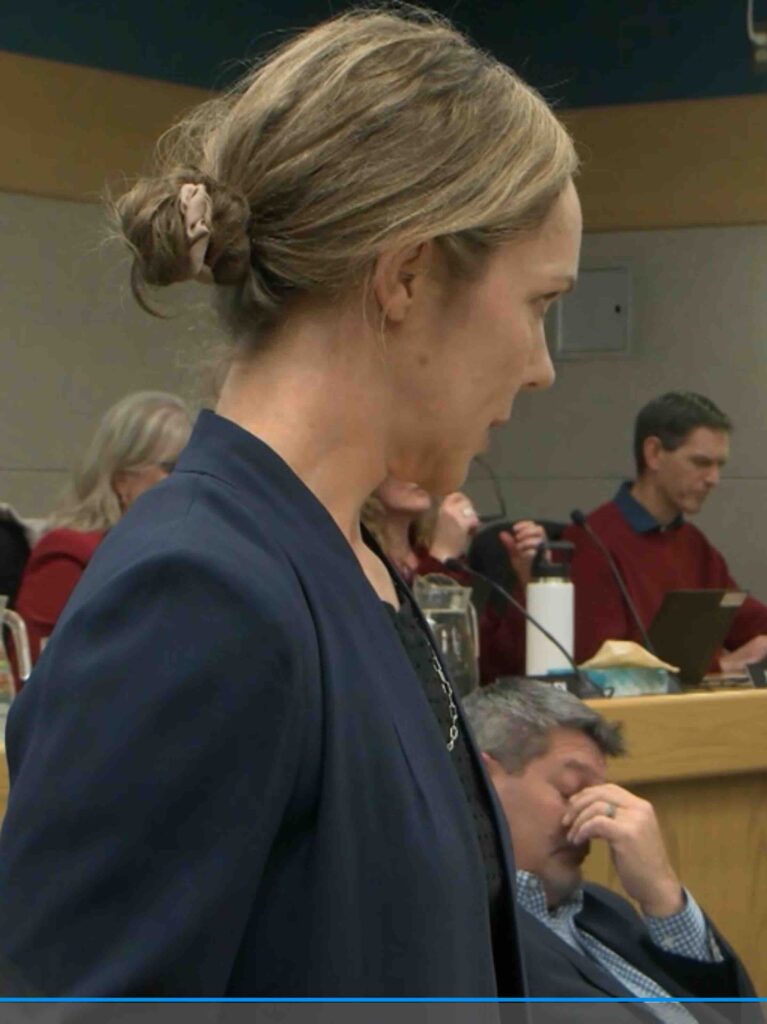
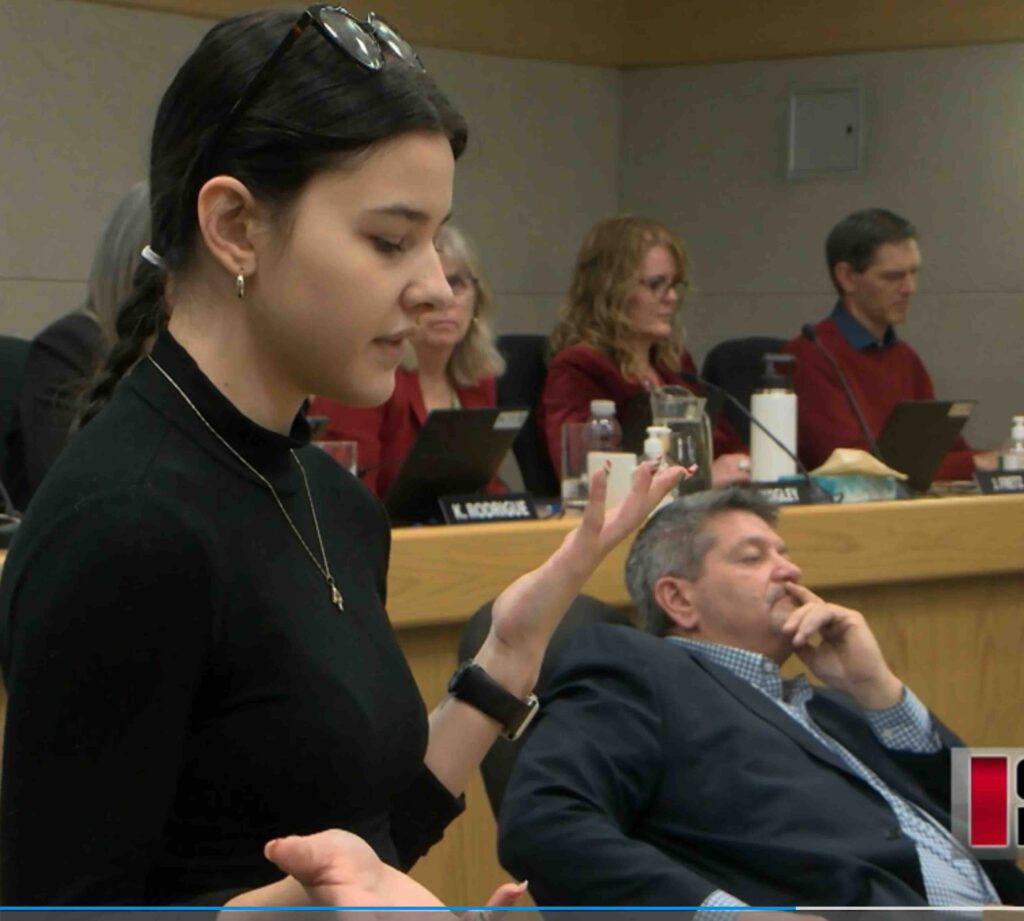
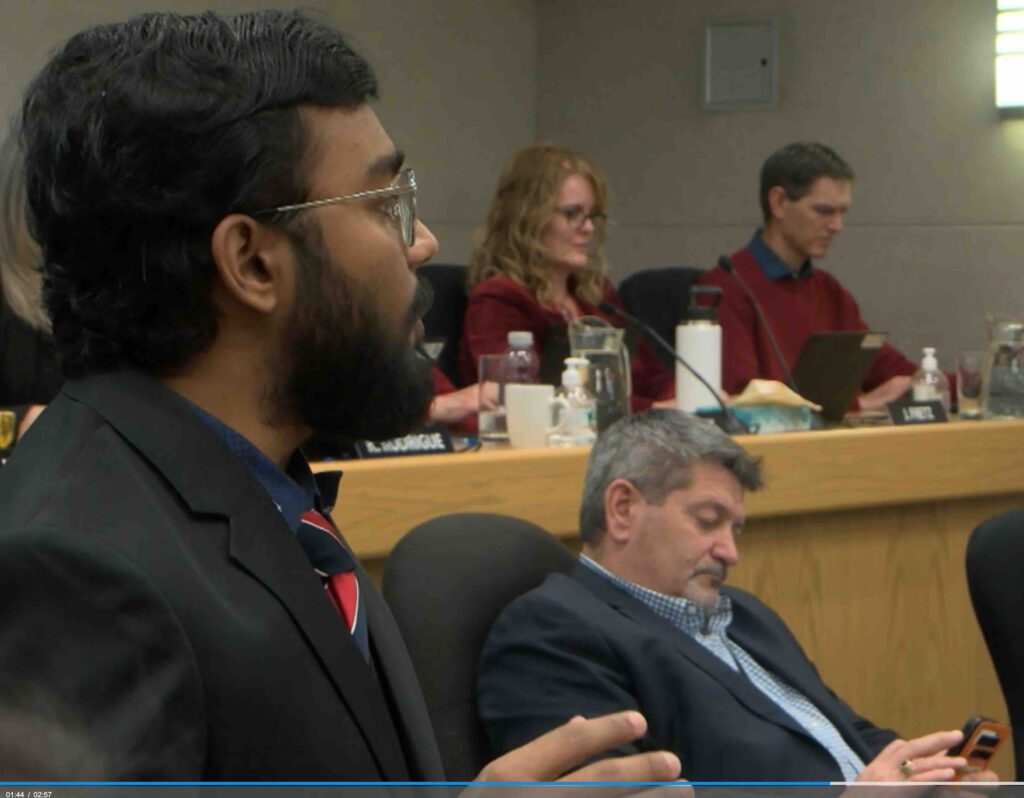
Petitioners argued that O’Reilly failed to properly recuse himself from Build Kamloops matters. A central problem for citizens was that Build Kamloops meetings included closed sessions, making it difficult for the public to confirm who recused themselves and when.
The court did not rule on whether recusals should have occurred — only that the petitioners failed to prove they did not.
Residential Development: The Rink Recusal
O’Reilly did recuse himself from a zoning application related to a residential development by Kamloops developer Mike Rink, citing proximity to his industrial lands.
That recusal has been cited as evidence of ethical awareness — while also raising questions about why recusal around the arena project was less clear or publicly documented.
The Real Story the Court Never Reached: Why Citizens Rarely Beat City Hall
The most revealing aspect of this case is highlighted in the legal analysis of Dunn v. O’Reilly (2025 BCSC 966) by Fulton & Company: the procedural barriers faced by ordinary citizens.
The 45-Day Trap
Under s.111 of the Community Charter, a disqualification petition must be filed within 45 days of when a petitioner becomes aware of the alleged conflict.
In this case, the court found that one petitioner’s earlier awareness was sufficient to bar the entire petition, even though others joined later.
This interpretation creates a serious hurdle for grassroots efforts that take time to organize.
Thirty Days to Challenge a Bylaw — Period
Challenging the arena bylaw itself? The Local Government Act provides just 30 days from adoption.
The court emphasized that a bylaw challenge cannot be “revived” by embedding it inside a disqualification proceeding later.
“Cloaking” or Coping?
The Fulton analysis suggests the petitioners attempted to “cloak” a bylaw challenge within a disqualification proceeding.
From a citizen-accountability perspective, this framing overlooks the reality that self-represented residents face overlapping statutes, tight deadlines, and little guidance — all while risking personal financial loss.
Indemnification: When the City Backs Its Own
In December 2024, Kamloops City Council voted to indemnify O’Reilly, meaning the City covered his legal defence costs arising from the petition.
The petitioners had no such protection.
This disparity was noted by critics as further evidence of how municipal systems structurally favour elected officials over citizens seeking accountability.
What This Means for Kamloops Residents
The takeaway is not that citizens acted irresponsibly — but that municipal accountability mechanisms are legally narrow and procedurally unforgiving.
Miss a deadline. Choose the wrong legal vehicle. Learn too early or too late. The merits may never be heard.
Bottom Line: This Was All Avoidable
None of this drama needed to happen. Transparency would have spared taxpayers a court spectacle and preserved the public’s trust.
A recusal here, a disclosure there, and a modicum of distance from decisions where personal stakes exist might have kept everyone out of court and off the front pages.
Instead, we got a polarizing legal fight that ultimately resolved little beyond reinforcing how difficult it is for citizens to challenge City Hall.
The court process may be over, but the accountability conversation shouldn’t be.
Petitioner's Press Release
After the court decision, the petitioners released the following statement: Case dismissed on technicalities. It is well worth the read.
Election 2026
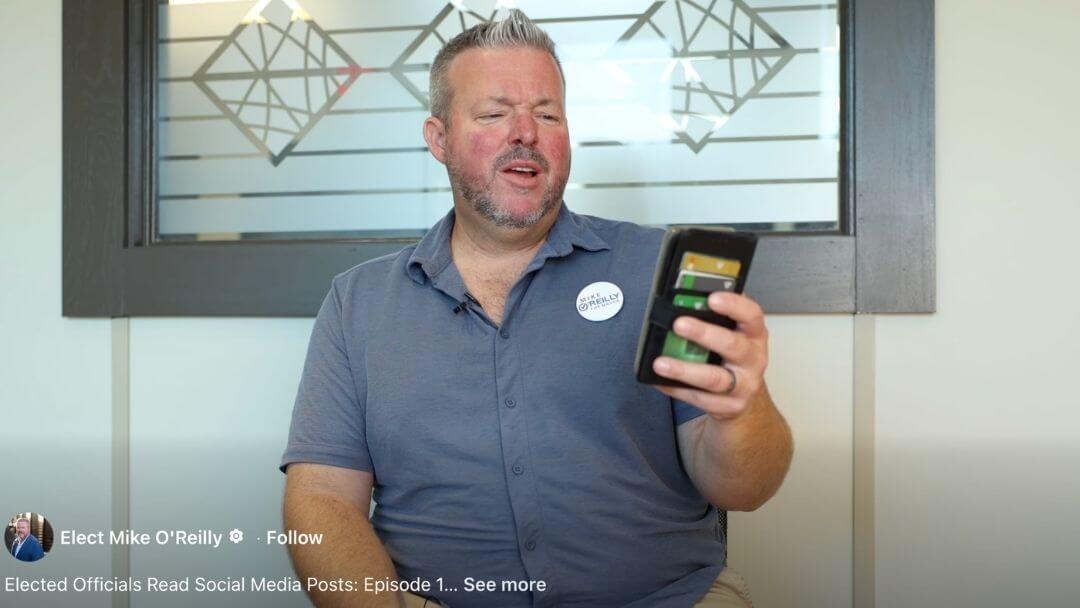
The next election is October 17, 2026. If you were considering voting for Councillor Mike O'Reilly, I urge you to reconsider.


Thank you for your continued attention to this if not corrupt, at least sneaky, conniving, and sel-serving group at city hall. Staff receiving sky high salaries, an overly large cadre of staff overall. This current group of councillors have proven incompetent and incapable of looking out for the citizens, racking up huge debt and putting that burden onto the Kamloops taxpayers. SHAME ON THEM! Time to clean house this fall.
Too little to late they will be long gone. sad but true
They had better legal eagles..
But at any point moving forward, find the swept under the carpet, smokin gun dealings in the future, nail them in the finacial cross.
I have two questions for Mike O’Reilly.
First, even though you may be innocent of any actual “conflict of interest” there is a possibility of a “perceived conflict of interest” with you being the potential Mayor and also the President of Comet Industries. I would like to know Mike, if you will be stepping down as President and CEO of Comet so that you can focus entirely on the needs of the citizens of Kamloops? Where do your priorities sit since you can’t wear both hats without conflict? Are you willing to show your loyalty to Kamloops taxpayers or to Comet and your personal interests?
Secondly, how is it that your son (a minor) was able to make a financial donation to your 2026 Mayor campaign being that he is underage. Is this not considered an election violation? So Mike, what is it?